-
What is CORS?
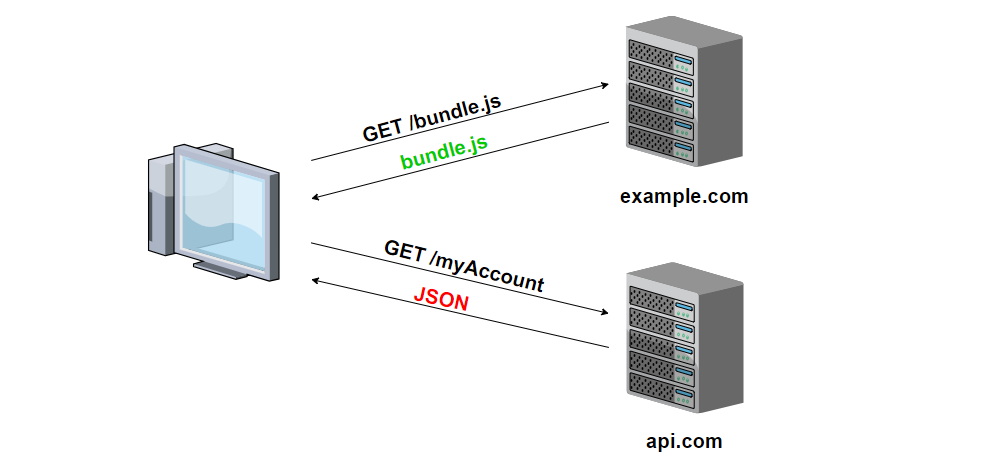
Cross-Origin Resource Sharing (CORS) is a security feature implemented by web browsers that blocks web pages from making requests to a different domain than the one that served the web page. This is done to prevent malicious websites from making unauthorized requests on behalf of the user. CORS works by adding HTTP headers to server
-
Representation State Transfer (ReST)
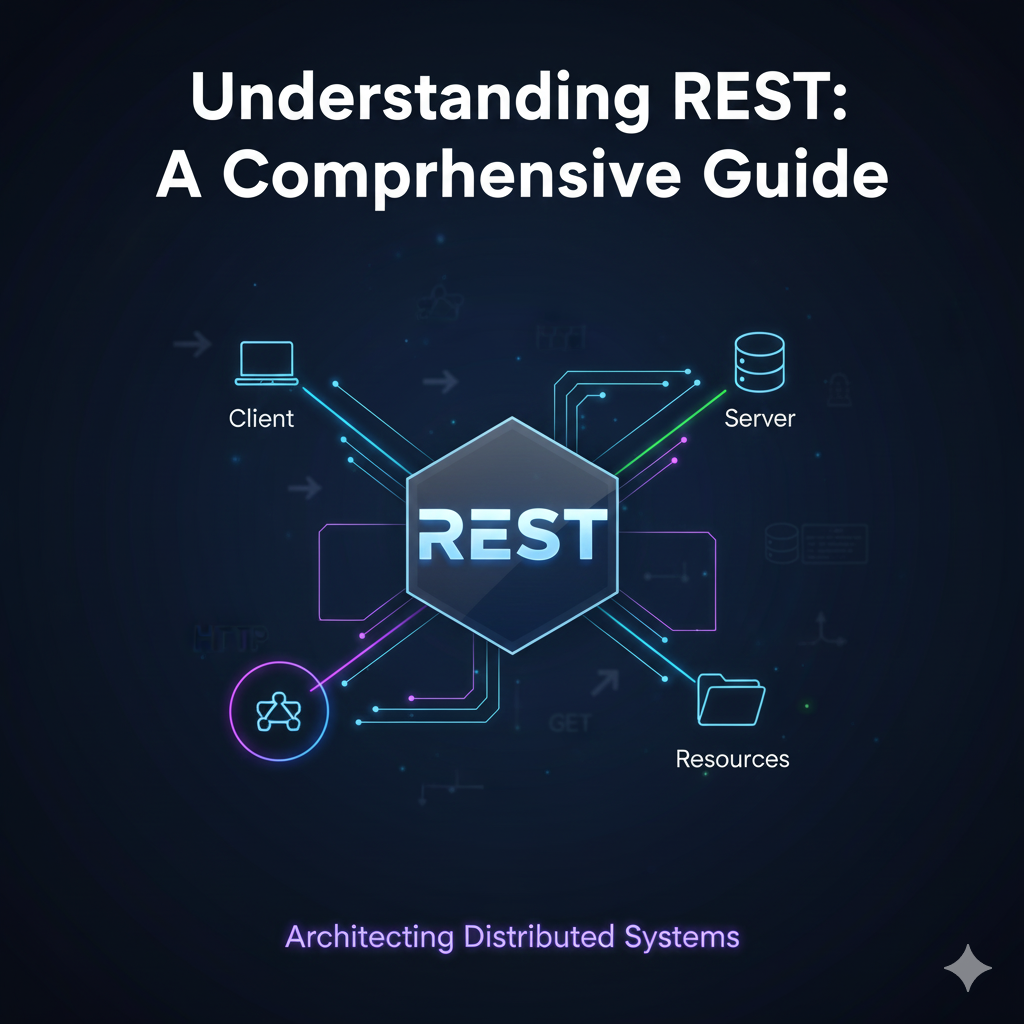
REST, or Representational State Transfer, is an architectural style for designing networked applications. It was introduced by Roy Fielding in his doctoral dissertation in 2000. RESTful systems are commonly used in web services development due to their simplicity, scalability, and ease of implementation. Key concepts Constraints REST, as an architectural style, is defined by a
-
Developing RESTful services using Crow CPP

Introduction to Crow Overview of Crow framework The Crow C++ micro-framework is a lightweight and efficient framework for building web applications in C++. It is designed to be fast, scalable, and easy to use, making it an excellent choice for developing high-performance web servers and APIs. Below is an overview of the key features and